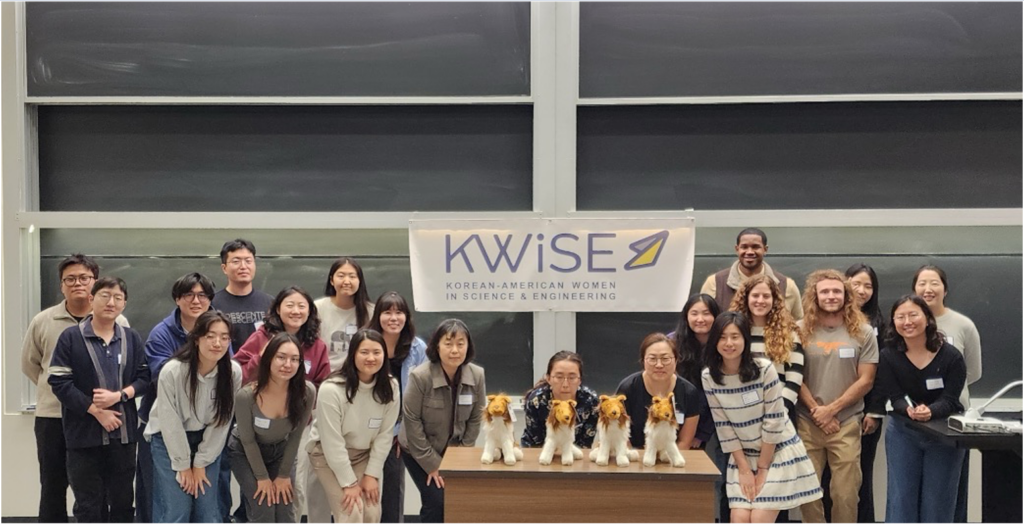
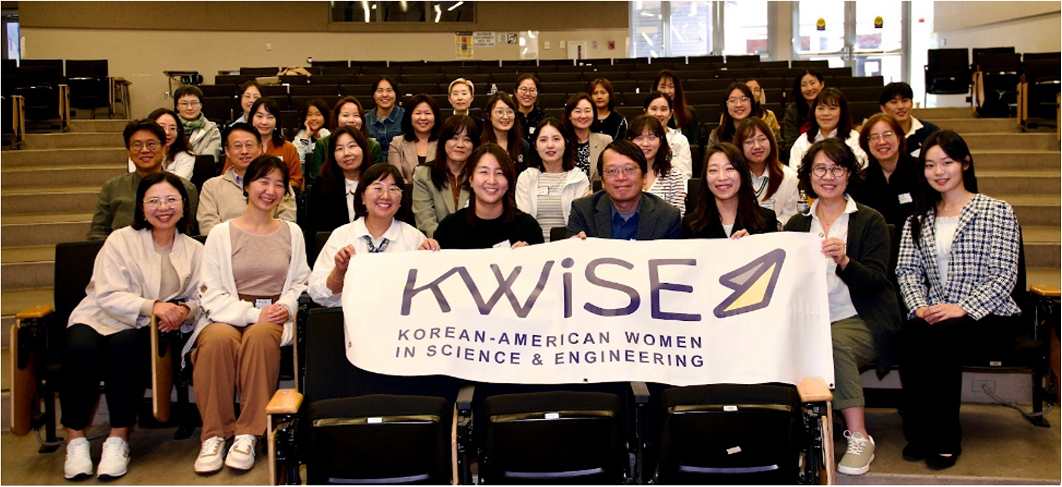
The 2025 Korean-American Women in Science and Engineering (KWiSE) Annual Conference aims to promote scientific collaboration, professional development, and mentoring among Korean-American women in STEM fields. As a member-driven, non-profit organization, KWiSE relies on the active participation of its volunteers to foster a strong, supportive community across its seven U.S. chapters representing over 1,500 registered members. The conference aligns with KUSCO’s mission by strengthening Korea–U.S. cooperation in science and engineering, encouraging cross-national collaboration, and inspiring the next generation of Korean-American scientists and engineers.
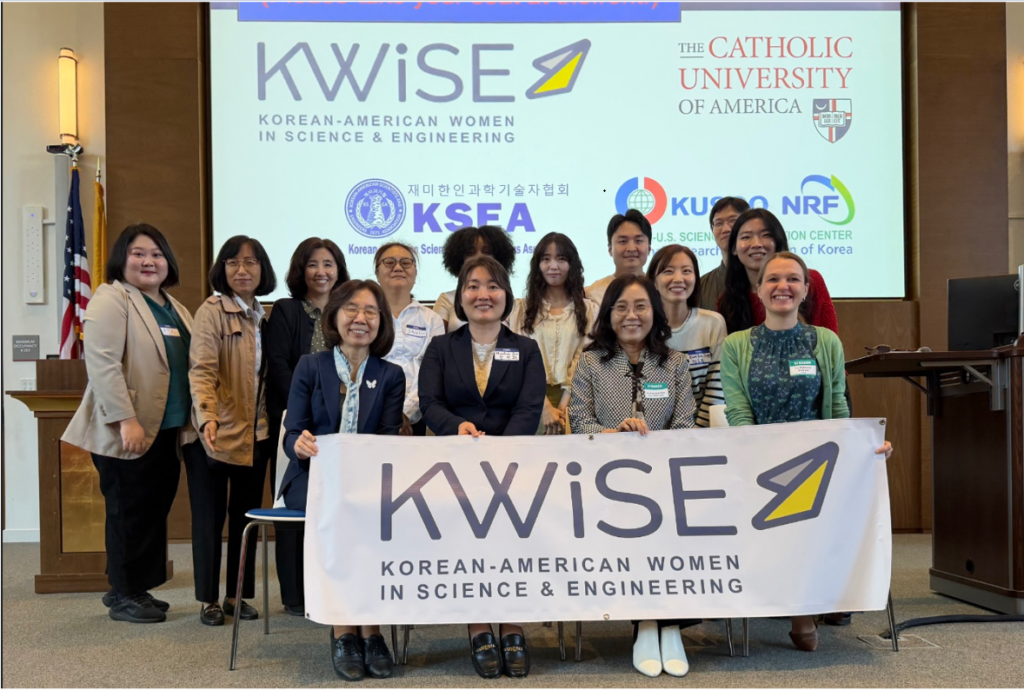
The 2025 KWiSE regional conferences collectively made a powerful impact by fostering collaboration, mentorship, and professional growth among Korean-American women in STEM across the United States. The DC Chapter provided an enriching platform for mentoring and collaboration, helping participants—especially early-career scientists—gain insight into building sustainable scientific careers. The LA Chapter advanced networking across disciplines and inspired innovative thinking through lectures from leading scientists. The NY/NJ Chapter deepened interdisciplinary engagement with its “Narrative, Language, and Movement” conference, bridging neuroscience, speech-language pathology, and education through sessions on therapeutic innovation, storytelling, and inclusive research. The Southeast Chapter, in partnership with KSEA, strengthened cross-disciplinary networks through its joint conference, with a standout panel on “AI & the Future of Professional Life” that encouraged dialogue on adapting to an AI-driven world. Across all chapters, KWiSE events elevated the visibility and influence of women scientists, built stronger support systems, and nurtured a vibrant, collaborative community dedicated to leadership, innovation, and inclusivity in science and engineering. The Texas Chapter significantly strengthened the professional networks and development opportunities for Korean-American and international scientists in Texas. By fostering inclusive dialogue, mentorship, and interdisciplinary collaborations, it advanced both community building and career success in STEM.